Grain of Salt: Matt's 25 FOR '25

Matt’s 25 favorite films of the first quarter of the 21st Century
Editor’s note: In order to give myself proper guardrails for an exercise such as this (self-imposed discipline I so desperately need) I have declared January 1st, 2001 as the first day of the 25 year cohort being considered for inclusion in this list. As such, the following films, released in the year 2000, have been categorized as part of the 20th Century and were thusly ineligible for consideration. Were the year 2000 to have been eligible, I can declare, unequivocally, that the following five films likely would have made the cut: <3
Almost Famous
In the Mood for Love
Memento
Sexy Beast
Traffic
25. Moneyball (2011)
“How can you not be romantic about baseball?”
24. 24 Hour Party People (2002)
“I'm being postmodern, before it's fashionable.”
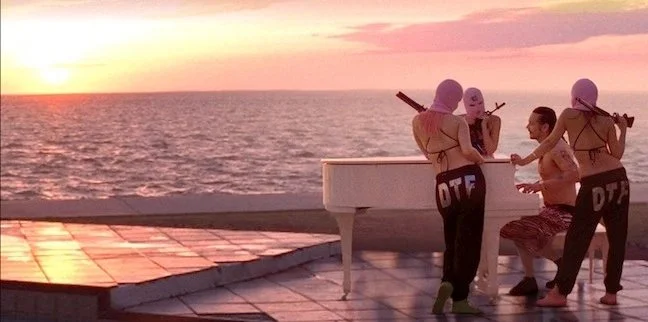
23. Spring Breakers (2013)
Filmmaker Harmony Korine–incorrigle, Agent Provacateur of the 1990s American Independent Film Movement–piles so many layers of excess into his magnum opus, a sweaty, surreal, scantily-clad, Floridian bean dip (a fractured narrative structure that will occasionally fold in on itself) that it’s easy to forget which way is up (especially when Benoit Debie’s camera becomes inverted, which it is often wont to do). But don’t worry if you have conflicting feelings. Don’t be alarmed if you start to feel guilty for having such a good time or if you're at odds with yourself, trying to decode exactly what Korine is trying to say. This is the essence of exploitation cinema, and Korine enters the cult canon with the film he was always meant to make, and no other filmmaker could have (or would have dared to).
22. Gone Girl (2014)
Not so much improving on her own pulpy decadence as deepening the more relevant satirical incisions of her marital indictment, Gillian Flynn’s adaptation of her potboiler novel lays the track for the greatest American domestic thriller since Fatal Attraction. Flynn, David Fincher, Ben Affleck (in one of the all-time great, self-aware casting coups), and particularly MVP Rosamund Pike represent something of a creative dream team who raise Gone Girl beyond its genre confines and turn it into something worthy of the phenomenon it became.

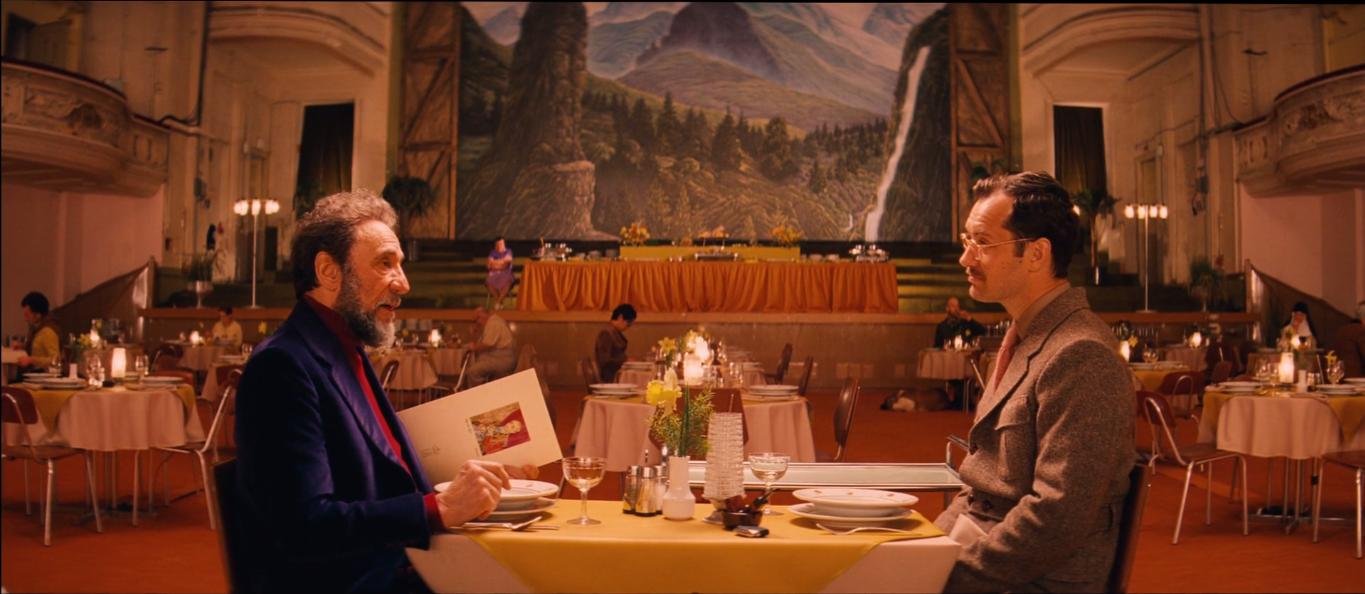
21. The Grand Budapest Hotel (2014)
Working for the first time in his career without a writing partner, pulling together perhaps the most staggeringly impressive ensemble in his repertory-rich filmography, and summoning all of his powers of detail-dripping-tableau-sculpting, Wes Anderson decides to go for absolute broke with his eighth feature. What he comes up with is a film that, with the benefit of hindsight, may one day be considered his masterpiece. Possessing the misanthropic wit of Rushmore, the bittersweet heart of The Royal Tenenbaums, the eye-popping flourish of Fantastic Mr Fox, and the melancholy nostalgia of Moonrise Kingdom, The Grand Budapest Hotel feels like an embarrassment of riches and a love letter from Anderson to his faithful fanbase–some of the most devoted in all of cinema–who just knew he had this one in him.
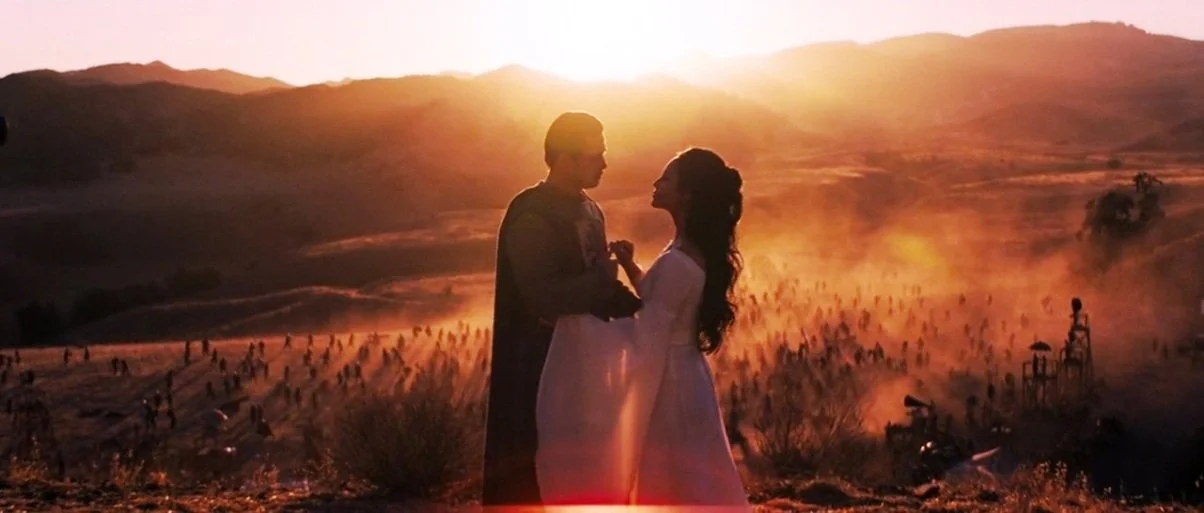
20. Babylon (2022)
“And this boy, who breathed his first decades after you breathed your last, will look at your image and think he's found a friend.”
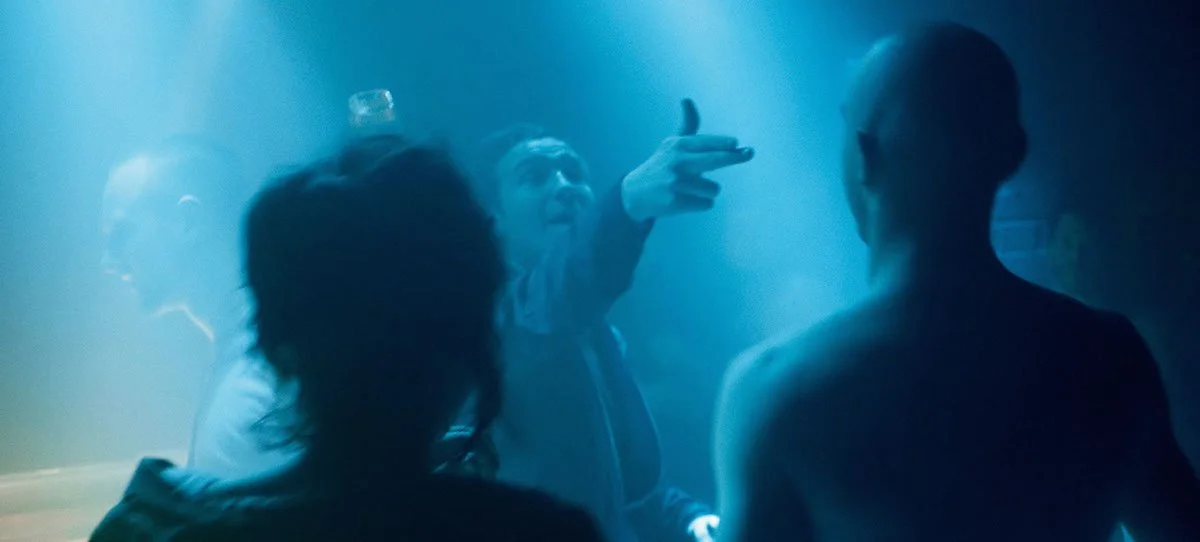
19. Victoria (2015)
On my first viewing of Victoria–deep into the second act, during the film’s cathartic dance sequence–I realized I had become so enraptured by the narrative ambitions of the film that I had completely forgotten about the technical “gimmick” I had feared would take center stage. Victoria transcends because, above all, it’s a beautiful, terrifying, rapturous human story, first, and a technical achievement second. This film is long, vast, and deliberate, not because it’s trying to impress you with its size but rather because the running time is exactly how long it took for this story to play itself out, organically. That’s what makes it not only the greatest single-take/no cuts movie of all time, but also one of the best films of the last 25 years.
18. Wall-E (2008)
“Computer, define ‘dancing.’”
17. The Assassination of Jesse James by the Coward Robert Ford (2007)
“Don't that picture look dusty?”
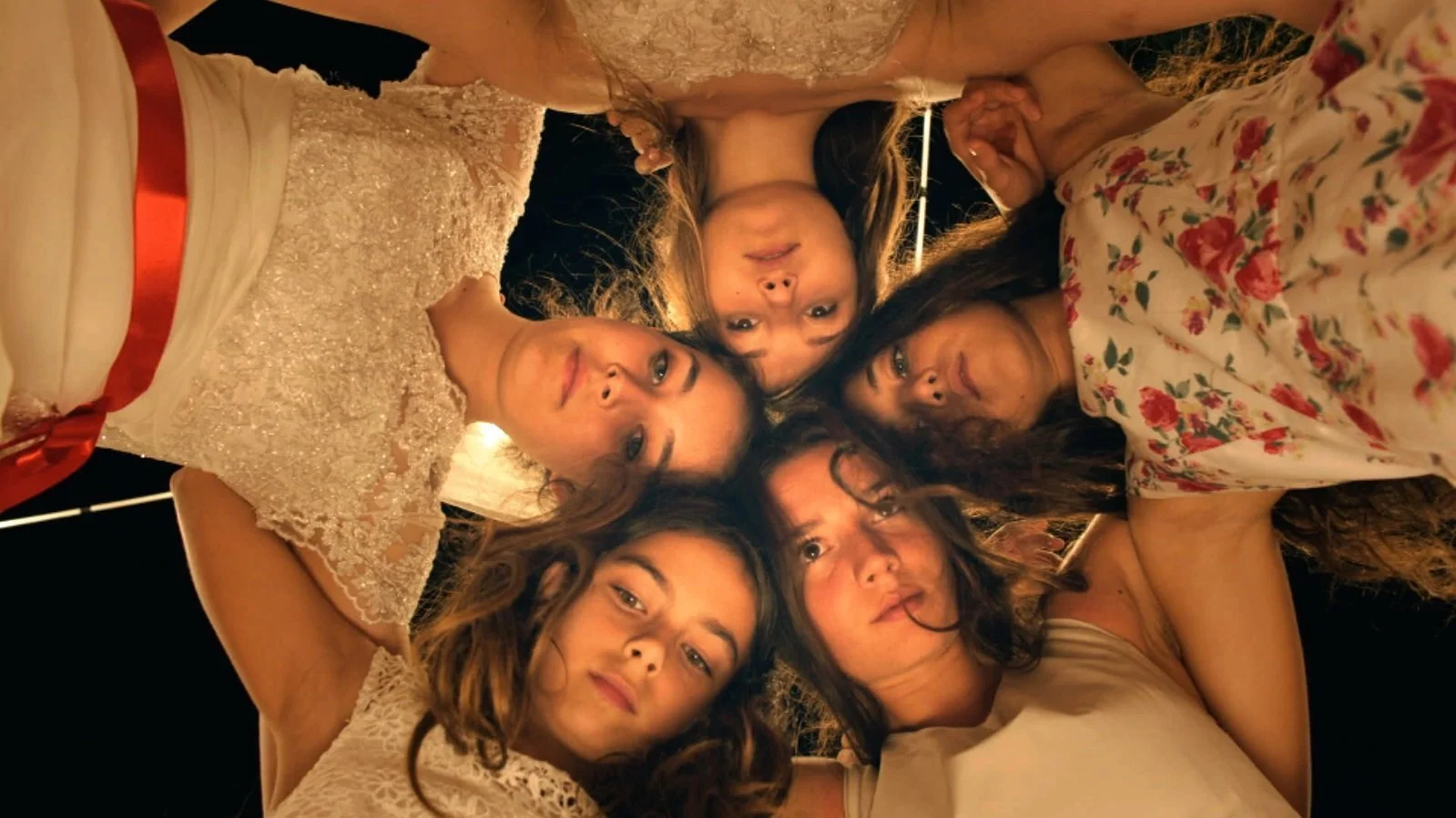
16. Mustang (2015)
While writer/director Deniz Gamze Ergüven’s debut feature owes much to Sofia Coppola’s first (and still finest) feature directorial effort, The Virgin Suicides, it also introduces a bold and confident new artistic voice to the world of independent cinema. When Mustang makes a third-act shift from familial melodrama to full-on jailbreak nail-biter, Ergüven rises to the occasion as the film not only bests The Virgin Suicides in emotional impact, it carves an impressive niche for itself in the annals of coming-of-age storytelling.
15. Inglourious Basterds (2009)
“Well, if this is it, old boy, I hope you don't mind if I go out speaking the King's.”
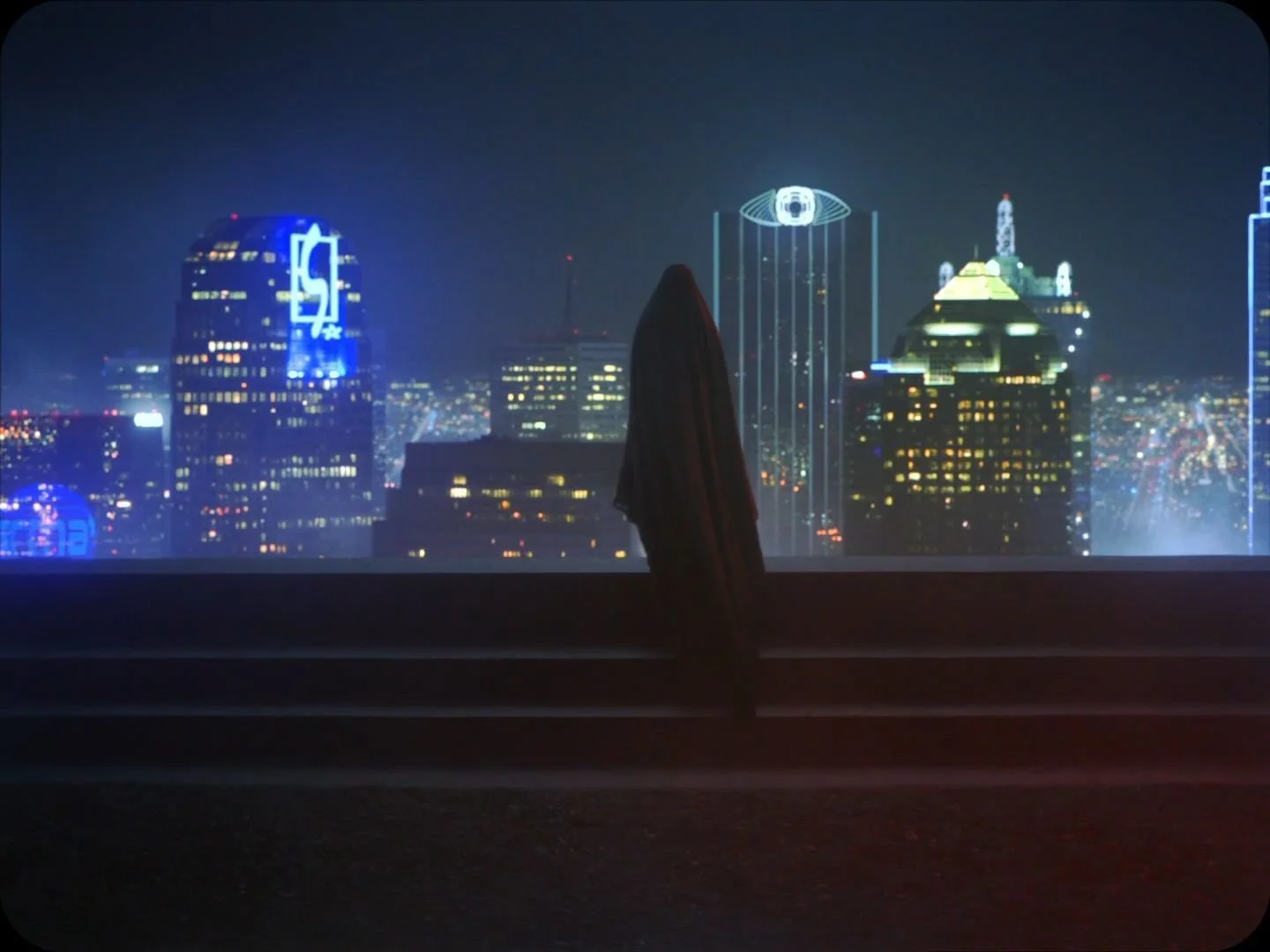
14. A Ghost Story (2017)
Made for less than six figures, shot in the 1.33 aspect ratio, and encompassing about 200 years’ worth of Texas history, A Ghost Story concerns a deceased musician’s obsession with his former home and the flat circle through which he is able to observe the legacy of its inhabitants, both before and after his own life. As a metaphysical meditation not just on life and death but, crucially, on time itself, the film aches with a sublime, breathtaking beauty in its visual and sonic landscapes, reinforcing just how many levels and perspectives it can (and should) be viewed from. It’s a deeply considered intellectual exercise to be sure. But it’s just as effective as a poetic mood piece. It’s a film that can be studied or merely observed, and each experience can be equally gratifying.
13. Before Sunset (2004)
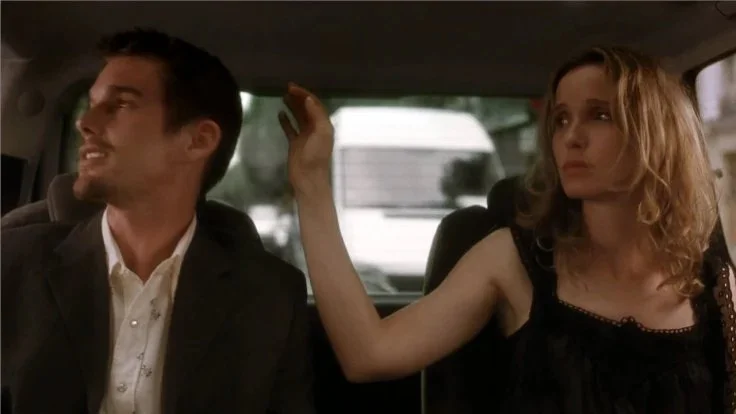
“Baby, you are gonna miss that plane.”
12. Michael Clayton (2007)
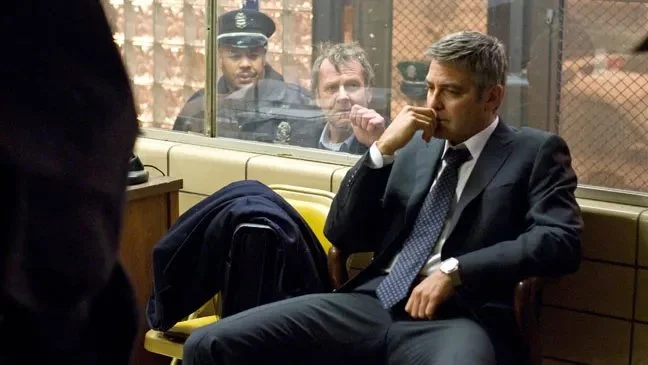
“Let me give you a serious piece of advice. Leave it there. God forbid you're not as good as you remember because I've seen that happen too.”
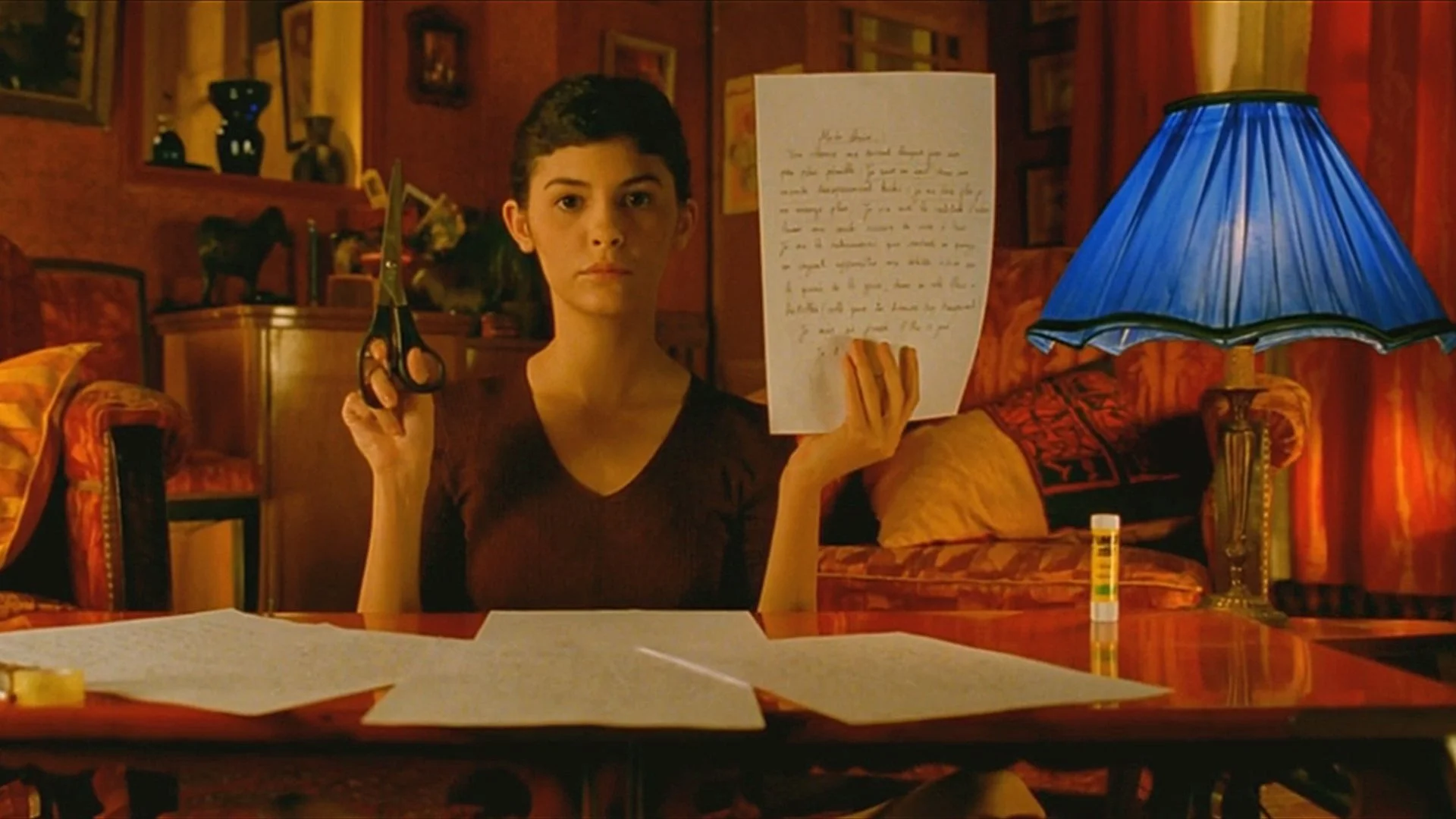
11. Amélie (2001)
“Life's funny. To a kid, time always drags. Suddenly you're fifty. All that's left of your childhood... fits in a rusty little box.”
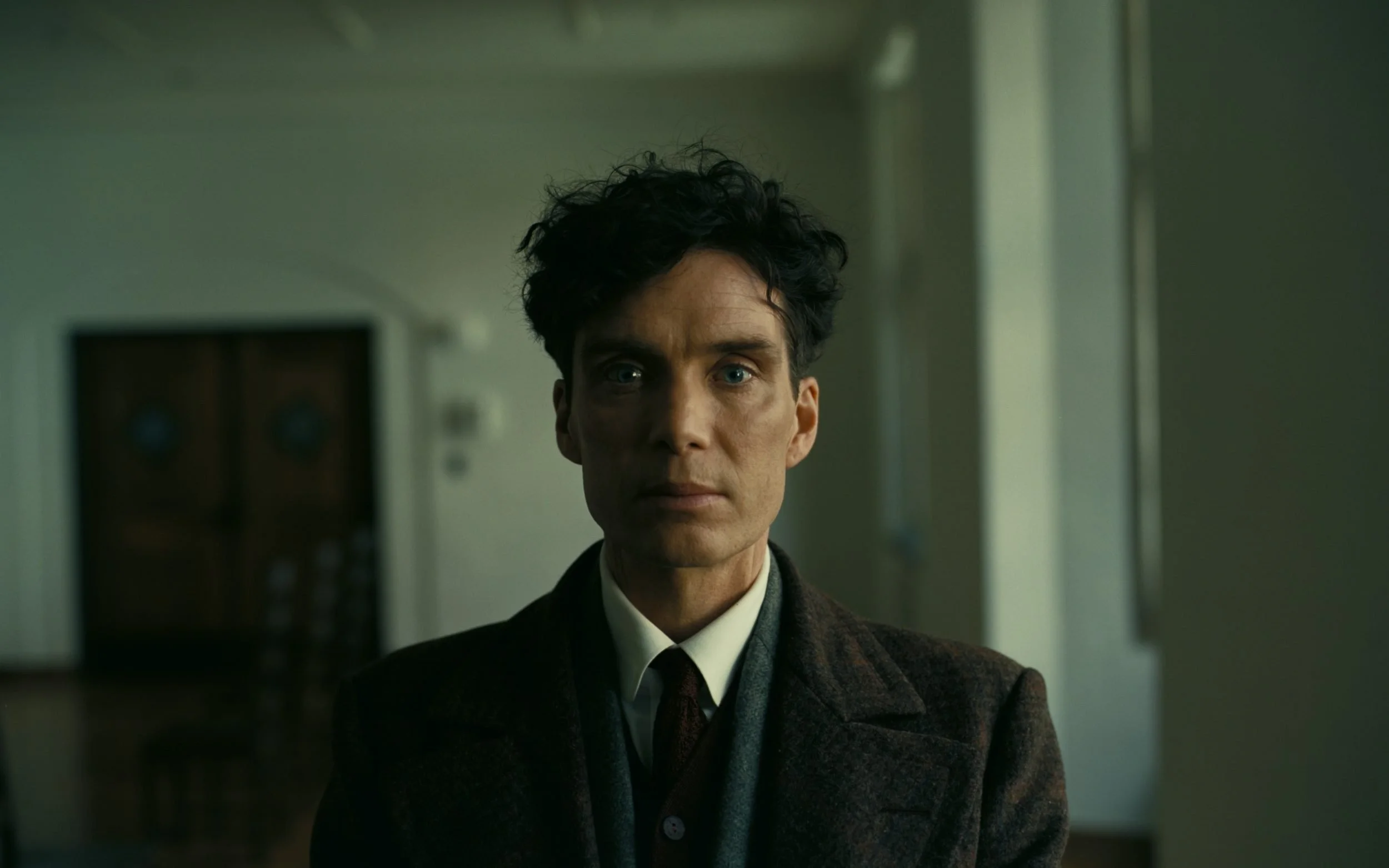
10. Oppenheimer (2023)
While I can’t take credit for it, my favorite meta-reading of Oppenheimer is that the film is really about Christopher Nolan reckoning with the cultural chain reaction, triggered by the success of his Dark Knight trilogy, that led to an arms race within the entertainment industry, the fallout of which may lead to the ultimate destruction of the movie theater as an institution. Not for nothing that Nolan chose to cast as Oppenheimer’s villain, one, Robert Downey Jr.–Iron Man himself. That Marvel property was released in the same summer as The Dark Knight and was equally complicit in the shifting of the paradigm that landed us where we are today. Is Oppenheimer Nolan’s mea culpa? His public self-flagellation for the cultural apocalypse that he fears he may have wrought, smuggled in under the guise of an all-timer biopic? If the filmmaker is forthright in his dedication to being a generational champion for the theatrical cinematic experience, then Oppenheimer will forever be one of the apex examples of that mission.
9. Son of Saul (2015)
There’s a myopic conceit at the heart of Son of Saul that sets it apart from all other Holocaust dramas or, really, all other dramas in recent memory. By constantly keeping the camera and, more importantly, the focal plane within a few feet of our protagonist, we are given a unique, subjective, intimate experience that feels more personal and visceral than a traditional “POV” perspective. Emotionally draining depictions of one of humanity’s most dramatic chapters are such a staple of the art form that the idea of enduring another one can be a punishing proposition. But filmmaker László Nemes cracked a code in the making of his film. By focusing so myopically on an individual’s struggle to achieve a singular goal in an impossible situation, Nemes manages to deliver his testimony about both filmmaking and fatherhood, simultaneously.
8. City of God (2002)
“Sun is for everyone, beach for a few.”
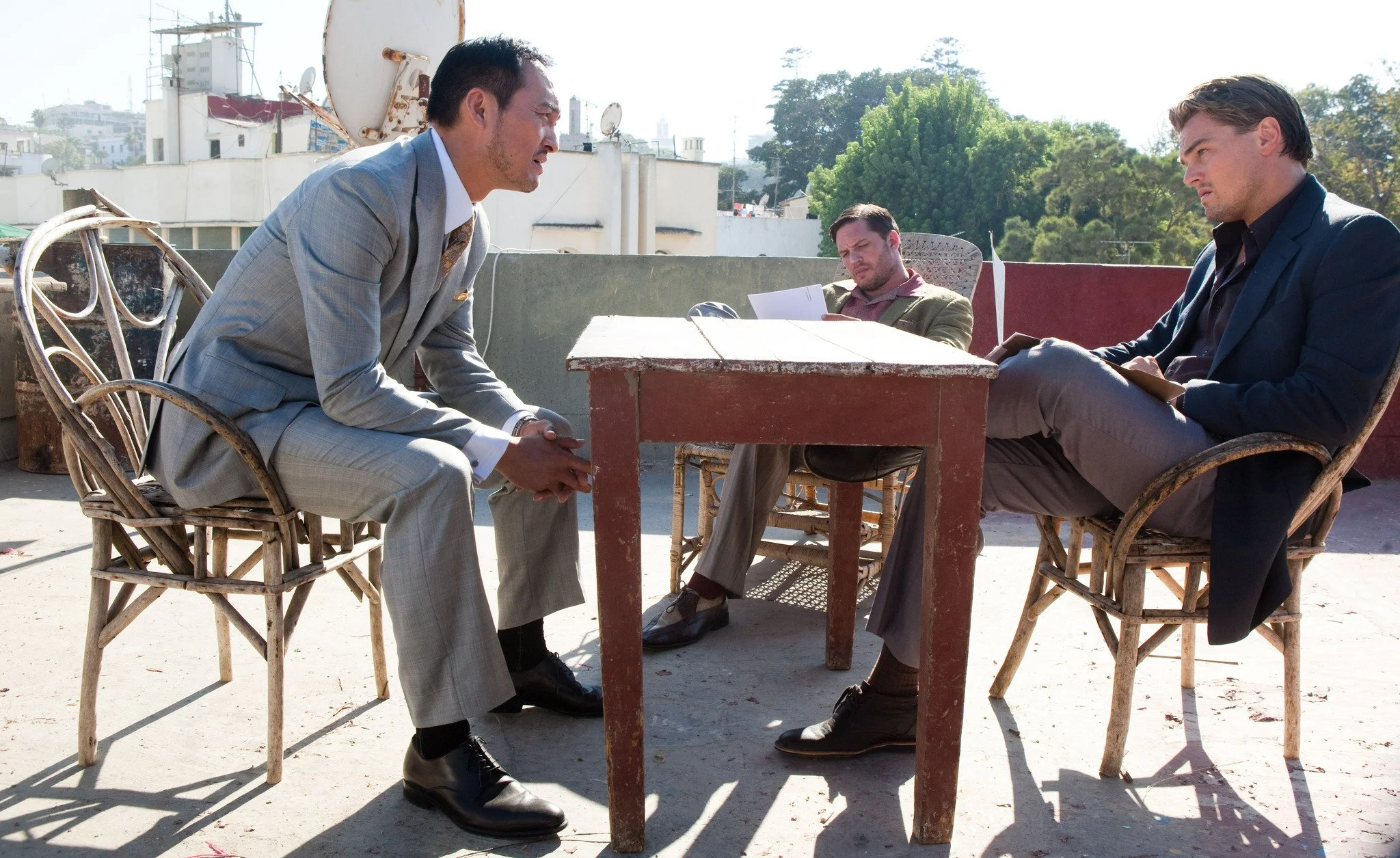
7. Inception (2010)
Perhaps no other film in the 21st Century left me as giddy with that pure, transcendent feeling that only comes when experiencing something completely original and ecstatically cinematic. Christopher Nolan’s commitment to respecting his audience’s intelligence, never valuing a set piece above character development, and always opting for a practical, in-camera effect over a CG crutch makes him something of a hero in a medium that needs them now more than ever. In 2010, he made what some called “the ultimate thinking man’s action film.” Sure, it’s that, but it’s also so much more. It’s a turning point in big-budget studio filmmaking, it’s a love letter to cinema itself, and it’s a gift to the spectator in all of us.
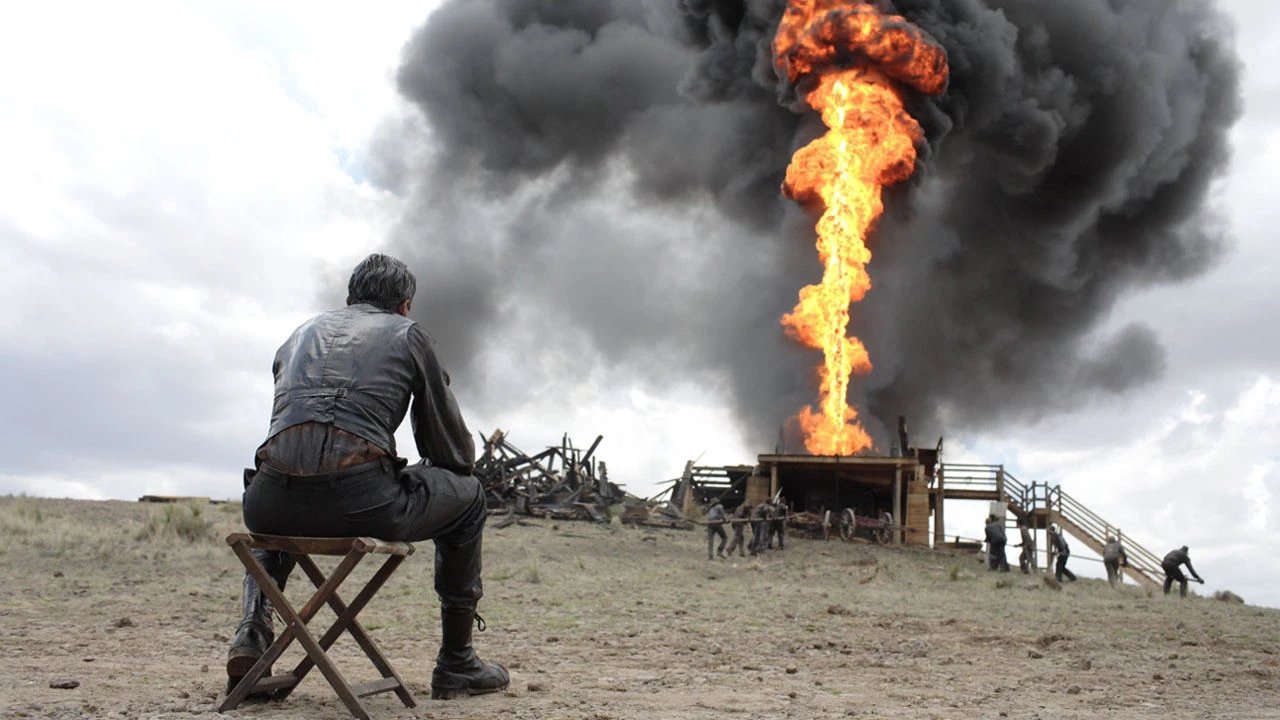
6. There Will Be Blood (2007)
“I have a competition in me.
I want no one else to succeed.”
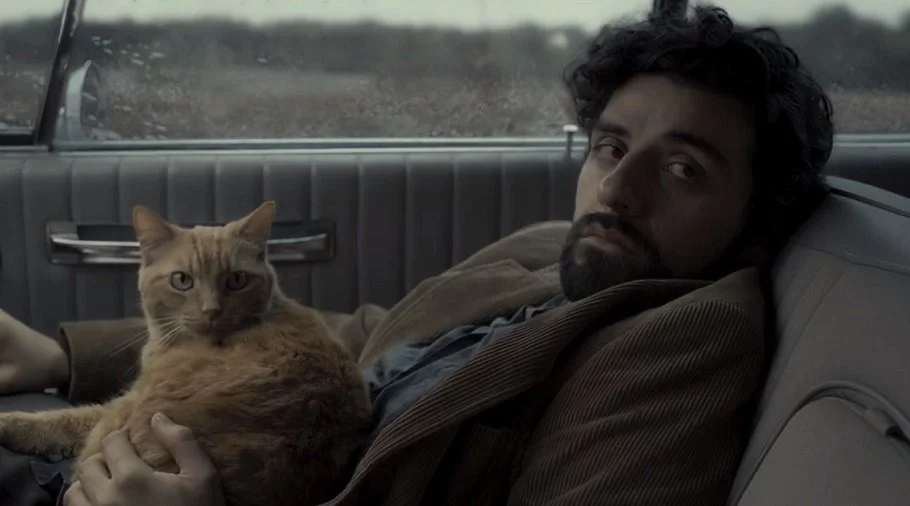
5. Inside Llewyn Davis (2013)
There’s a moment about a third of the way through Inside Llewyn Davis, when our titular, hangdog minstrel actually seems to lighten up, if only for a moment. The perpetual dark cloud that hangs above his curly mane lifts for a beat as Llewyn lets his guard down and gives in to the power of performance. This pleasure is fleeting, however, and soon Llewyn must return to the grinding cycle of professional purgatory he has trapped himself inside–riding the rails from his most recent flop on the Upper West Side, southbound to Greenwich Village. And it’s in this melancholy place that the Coens find the perfect foothold for one of their defining seriocomic farces–a true philosophical successor to their masterpiece Barton Fink–and a film that seems tailor-made to age just as well as its predecessor.
4. Parasite (2019)
A genre hybrid and crackerjack cinematic rollercoaster that never loses sight of its agenda as incisive social commentary, Parasite is a giddily entertaining heist film, a white-knuckle Hitchcockian thriller, and a stirring indictment of the widening chasm in our have-and-have-not social landscape. A film designed to activate anxiety and melancholy in equal measure, Parasite always leaves me devastated, while simultaneously buffering me with so much excitement about the allegiant artistic potential of international cinema that it lifts me to a state of euphoria. It’s a MIRACLE of a movie whose artistic and historical importance cannot be overstated.

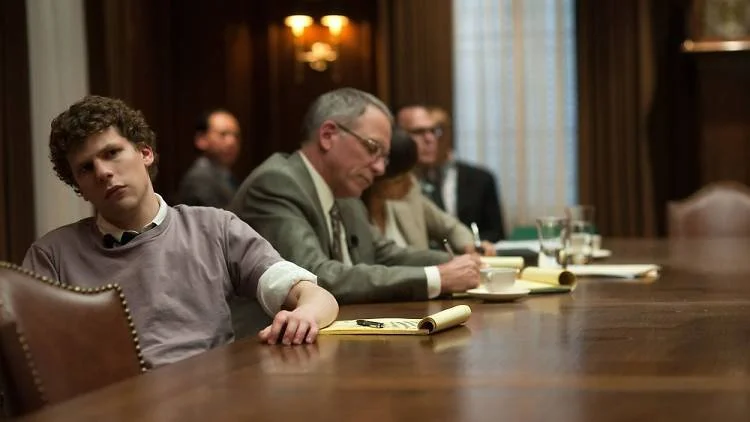
3. The Social Network (2010)
Given the fact that the Baby Boomers literally gave birth to the Millennials, should we be so surprised that two Boomers–Aaron Sorkin and David Fincher–conspired to deliver the first cinematic masterpiece to truly reckon with the cultural significance of the Millennial Generation? Until I saw it for myself, I never would have believed that these two brilliant but stylistically disparate artists could collaborate on a subject matter such as this and come up with the first truly indispensable social satire of the 21st Century. But, then again, Paddy Chayefsky and Sidney Lumet probably seemed like pretty strange bedfellows back when they made Network. That masterpiece from the 1970s will FOREVER be in conversation with this masterpiece from the 2010s, exactly as Sorkin intended it.
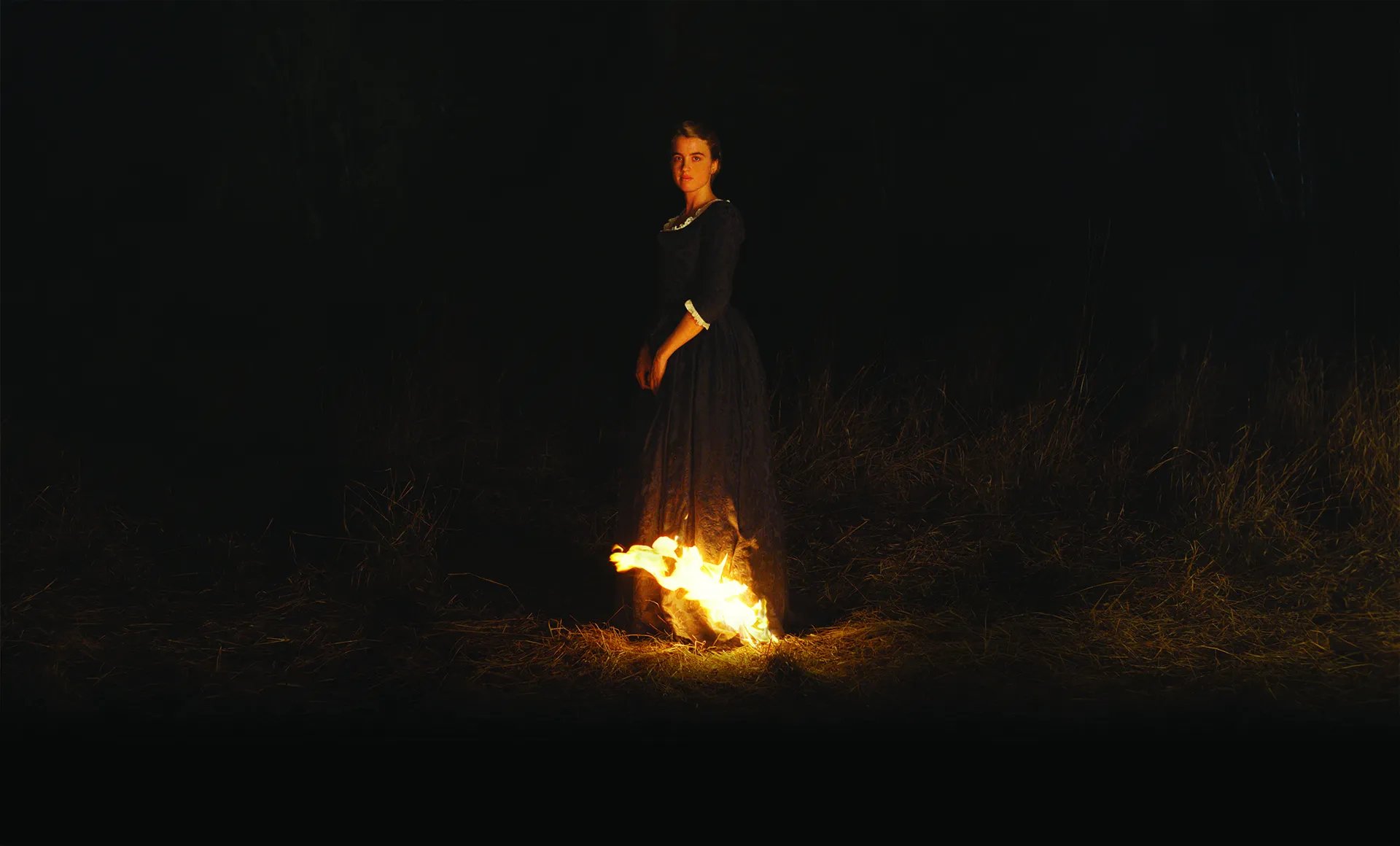
2. Portrait of a Lady on Fire (2019)
Every now and then a French filmmaker comes along, delivers a mic-drop masterpiece, and reinforces–lest we forget–that the French invented this art form and may very well have a greater capacity for crafting transcendent examples of it than the purveyors of any other national cinema. Filmmaker Céline Sciamma–aided in no small part by her electrifying leading ladies Noémie Merlant and Adèle Haenel–spins her period yarn into a torrid, bodice-ripping melodrama of rare distinction. Every look is calibrated and calculated, every exchange loaded with subtext, every shot a compositional revelation. Movies don’t get much more ravishing than this. But when they do, they usually come courtesy of the French.
Vive le cinéma.
1. Whiplash (2014)
A decade later, I’m still trying to pin down exactly what it is about this unexpected masterpiece that got to me in such a singular way and has continued to haunt me virtually every day since my first screening of it. Is it the way in which the central tango between Miles Teller and J.K. Simmons takes every expectation we’ve ever had about pupil/mentor dynamics and shatters them into a million quivering pieces all over the stage? Or is it that way in which the pitch-perfect ending forces each viewer to turn a mirror on their own relationship to art, self-discipline, professional achievement, and pursuit of perfection? In terms of pure, raw, cinematic fireworks, I’d stand Whiplash up against the very best films of the last 25 years and be supremely confident that it could hold its own. It’s a MONSTER, it’s EVERYTHING that I want from the movies, and I’ll NEVER stop shouting about it.
Honorable Mentions:
The Royal Tenenbaums (2001)
Catch Me If You Can (2002)
Kill Bill vol. 1 (2003)
Eternal Sunshine of the Spotless Mind (2004)
The Lives of Others (2006)
Casino Royale (2006)
Children of Men (2006)
Zodiac (2007)
Man on Wire (2008)
Toy Story 3 (2010)
Blue Jasmine (2013)
Her (2013)
Ex Machina (2014)
The One I Love (2014)
The Lobster (2015)
Arrival (2016)
La La Land (2016)
Dunkirk (2017)
Phantom Thread (2017)
Lady Bird (2017)
Free Solo (2018)
Cold War (2018)
First Man (2018)
Never Rarely Sometimes Always (2020)
Sinners (2025)